

How Much Does a Handpan Cost?
If you’ve started searching for a handpan, you’ve probably already noticed that prices vary wildly — from $150 on Amazon to $5,000+ from a custom builder. That range is not arbitrary. It reflects enormous differences in materials, craftsmanship, tuning precision, and longevity. This guide breaks it all down honestly so you can make a confident, informed decision — and avoid the most common (and expensive) mistakes first-time buyers make.
The Short Answer
A professional-quality handpan — one that is properly tuned, tonally rich, and built to last — typically costs between $1,800 and $5,000 in 2026. The sweet spot for most buyers, where quality and value intersect, is $2,000 to $3,200.
Anything priced below $800 should be approached with significant caution. Not because affordable instruments don’t exist, but because the economics of what it takes to build a genuinely good handpan make that price point nearly impossible to achieve without serious compromises.
Here is a breakdown of what each price tier actually looks like.
Handpan Price Tiers Explained
Tier 1: Under $500 — Mass-Produced Imports
These instruments appear on Amazon, eBay, Walmart.com, and similar marketplaces. They are typically manufactured in bulk in Asia with limited quality control and inconsistent tuning. Many are marketed with terms like “professional grade” or “concert quality,” which bear no relation to how professional builders use those terms.
What you actually get:
- Tuning that may drift significantly within weeks to months
- Notes that often lack the harmonic overtones (untuned octave and fifth within each note) that give a handpan its characteristic richness
- Steel that can be prone to rust, denting, or deformation
- No meaningful after-sale support, warranty, or retuning service
Who this is for: Someone who wants to understand the basic shape and feel of the instrument before committing to a serious purchase — with the full understanding that this instrument will likely need to be replaced.
Our honest take: We have seen many players arrive at a quality handpan only after spending $300–$500 on a cheap instrument first. The frustration of playing a poorly tuned pan can discourage new players before they discover what the instrument is truly capable of. If your budget genuinely caps at $500, a steel tongue drum may be a more satisfying entry point. It is a different instrument, but it is honest about what it is.
Tier 2: $500–$1,200 — Entry-Level Builders and Budget Stainless
This range has improved considerably in recent years. Some smaller builders and newer workshop operations as well as mass production builders in Asia now offer handpans in this price range that represent a genuine musical instrument — adequately tuned, playable, and somewhat stable.
What you actually get:
- Inconsistent quality depending heavily on the specific maker and even the specific instrument
- Tuning that is functional but likely lacks the depth, precision and resonance of instruments from more experienced builders
- Generally less refined note sensitivity and sometimes sustain
- Variable customer support and warranty terms than again may be completely lacking from mass production builders
Who this is for: Players on a strict budget who are willing to research specific builders carefully, listen to sound demos, and accept some trade-offs in tone quality. If you go this route, ask the builder directly how long they have been building, how many instruments they have made, and what their tuning stability data looks like.
Tier 3: $1,200–$2,200 — Mid-Range Professional Instruments
This is where the handpan market begins to offer instruments that deliver the full experience the instrument is known for — rich overtones, excellent tuning stability, responsive note sensitivity, and sustained resonance.
What you actually get:
- Instruments from builders with established reputations and verifiable customer histories
- Stainless or quality nitrided steel construction
- Tuning stability you can rely on for years, not months
- Meaningful warranty coverage and, in most cases, retuning support
Who this is for: Serious beginners, sound healing practitioners, yoga and meditation teachers, and players who want a genuine quality instrument without reaching for the top of the market. This tier includes some excellent instruments from builders worldwide.
Tier 4: $2,200–$3,500 — Established Professional Builders
This is where the most respected independent handpan makers in the world operate. Instruments at this price level represent tens of thousands of hours of builder development, premium materials, obsessive tuning refinement, and instruments designed to last multiple lifetimes.
This is where the Saraz Yuan Series lives, starting at $2,399.
Built in Asheville, North Carolina by a team with more than 14 years of handpan-building experience — placing us among the earliest and most experienced builders in North America — every Yuan Series Saraz is crafted from premium stainless steel, tuned to within 1–3 cents of pitch, and ships with a carrying case, rust preventative wax, microfiber cloth, and free shipping almost everywhere in the world.
What you actually get:
- Exceptional tuning stability — our instruments drift an average of 1–3 cents per year; among the most stable in the industry
- Rich, balanced tone with fully developed overtones in each note (fundamental, octave, and fifth)
- One of the largest scale selection lists available from any builder worldwide
- Meaningful after-sale support, warranty, and retuning service
- An instrument made by builders you can actually contact and trust

Tier 5: $3,500 and Above — Masterwork and Custom Instruments
At the top of the market you find instruments that represent the pinnacle of the craft — extraordinary tuning refinement, expanded note counts, chromatic sets, and builders who put their heart and soul into each instrument.
This is where the Saraz Professional Series lives.
The Professional Series adds individually tuned shoulder tones on the center “ding” note — a level of refinement that very few builders in the world have the skill or patience to attempt — and can reflects up to 50% more build time per instrument compared to the Yuan Series. These are instruments for performing musicians, serious collectors, and players who simply want the absolute finest handpan available.
Custom Professional Series Saraz instruments are made to order. Explore the custom order process here.

What Makes a Handpan Expensive to Build?
The price of a quality handpan reflects the reality of what it takes to build one. This is not a factory process.
Each Saraz involves tens of thousands of individual hammer strikes. We estimate that each Saraz is struck over 100,000 times across shaping, forming, and tuning. The pressure required to press some note forms exceeds 30 tons. The tuning process alone — where each note must be brought to pitch at its fundamental, octave, and fifth simultaneously — requires hundreds (and sometimes thousands) of careful hammer adjustments per instrument, guided by specialized tuning software, an experienced ear and highly skilled muscle memory developed over many years of practice.
No algorithm does this. No machine tunes a handpan. Every cent of a pitch is earned by hand.
Then there is the steel itself. Professional handpans are made from stainless steel that undergoes careful selection for consistency and acoustic behavior. A sheet of steel that looks identical to another may behave completely differently under the hammer. Our builders have developed the knowledge to recognize and work with these variations — but that knowledge comes only from years of hands-on experience and thousands of instruments built.
Add in the cost of transaction fees, carrying cases, shipping costs, quality control, retuning support, and a legitimate warranty — and $2,000–$3,500 for a top-tier handpan is not expensive. It is honest.
Why Do Cheap Handpans Sound Different?
The difference between a $400 handpan and a $2,500 handpan is not simply volume or sustain. It is the presence and quality of harmonics within each note.
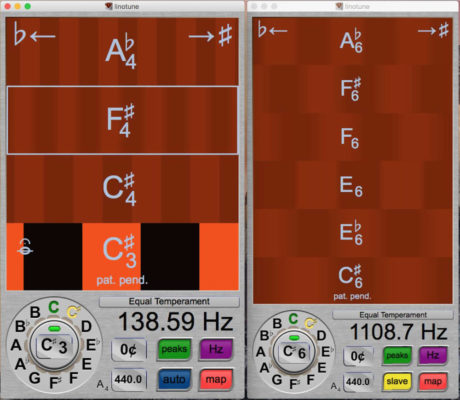
A professionally tuned handpan note contains three distinct pitches vibrating simultaneously: the fundamental (the main pitch), the octave (one octave above), and the fifth (an octave and fifth above the fundamental). These frequencies create a perfect 1:2:3 harmonic ratio. When these three are in balance, the note blooms with an almost orchestral quality. This is the sound that stops people in their tracks on a street corner or at a festival.
Budget instruments often achieve the fundamental pitch but neglect the octave and fifth. The note sounds recognizable — you can identify the pitch — but it lacks the harmonic depth that defines the handpan experience. This is not a subtle difference. It is the entire character of the instrument.
How to Compare Handpan Prices Across Builders
When comparing instruments at similar price points, look beyond the base price and ask:
What is included? Some builders price instruments without cases, shipping, or accessories that others include. Every Saraz ships with a carrying case, microfiber cloth, and pan wax and free shipping up to $200 is included.
What is the tuning tolerance? Ask builders what their typical tuning tolerance is, measured in cents. Industry average is ±5 cents. Saraz instruments are typically tuned to ±2 cents or better.
What is the after-sale support? Does the builder offer retuning, repairs, and ongoing support? Can you actually reach them? Saraz has been in Asheville, North Carolina since 2011. We are here for our customers.
What is their track record? How many instruments have they built? How long have they been building? Can you find independent reviews from players who bought instruments 2 years ago, 5 years ago, 10 years ago, 14 years ago, not just recently?
What steel are they using? Stainless steel offers excellent rust resistance and a bright, sustaining tone. Quality nitrided steel offers a slightly warmer, darker tone with less sustain. Handpans were all built on nitrided steel until around 2016. By 2020, stainless steel became very popular and by 2022. Now, almost every handpan is built on stainless steel. Both are legitimate professional materials. Learn more about steel types and construction here.

Does a Handpan Hold Its Value?
Yes — more than almost any other instrument in this price range.
A quality handpan from a reputable builder purchased today can typically be resold years later for close to its original price, provided it has been properly cared for. In some cases, instruments from well-regarded builders appreciate in value as the builder’s reputation grows and waiting lists lengthen.
This is another reason the cheap import market is a poor investment: these instruments tend to depreciate rapidly and can be very difficult to resell at any price.
Read our guide to handpan care and maintenance to protect your investment.
What About Financing?
PayPal financing is available on all Saraz purchases, making it possible to bring home a professional-quality instrument without paying the full price upfront.
Frequently Asked Questions
How much should I spend on my first handpan?
If your budget allows it, we recommend spending at least $1,800–$2,400 for a first instrument from a reputable builder. The playing experience at this level is dramatically different from budget instruments, and it will serve you for many years. If budget is a constraint, research specific builders in the $1,000–$1,500 range carefully and listen to sound demos before committing.
Is a $400 handpan worth buying?
For most players, no. The tonal and tuning limitations of instruments at this price point tend to undermine the experience the handpan is known for. A steel tongue drum in the $80–$300 range may offer a more satisfying introduction to hand percussion at a lower cost.
Why are handpans so expensive compared to other instruments?
Because each one is built entirely by hand — shaped, formed, and tuned note by note by a skilled craftsperson. The work is significant manual labor that is unsustainable beyond a certain point. There is no factory process that can replicate this. The instruments that attempt to mass-produce handpans at low cost sacrifice the very thing that makes handpans special: the depth, balance, and harmonic complexity of a professionally tuned note.
How long does a quality handpan last?
A well-built handpan, properly cared for, should last decades or longer. Saraz instruments are designed with longevity in mind. Our average instrument drifts only 1–3 cents per year, and less than 5% of our instruments ever return for a tune-up — the majority of those resulting from a dropped instrument rather than natural drift.
Does the number of notes affect the price?
Yes, generally. More notes means more build time and more tuning complexity. At Saraz, our Yuan and Professional Series starts at $2,399 and scales in price with note count.
Can I get a custom handpan at this price level?
Yes. Every Saraz Professional Series instrument is made to order, and we offer one of the largest scale selection lists of any builder worldwide. Begin your custom order here.
Ready to Find Your Handpan?
We believe that the right handpan — one that is honestly built, carefully tuned, and crafted by people who have dedicated their lives to this instrument — is worth every cent of its price. We also believe that no player should have to guess their way through the buying process.
If you have questions about price, scale selection, series differences, or anything else, we are always happy to talk.
Browse In-Stock Handpans → Compare Yuan vs. Professional Series → Order a Custom Saraz → Read the Complete Buyer’s Guide → Contact Us →
Saraz Handpans has been building professional stainless steel handpans in Asheville, North Carolina since 2011. With more experience than 98% of builders active today and one of the largest offered scale lists worldwide, we are one of the most trusted names in handpan building in North America.